Radar Level Measurement
Advantages Over Ultrasonic and Laser Level Measurement
In industry, various methods and level sensors are used to measure and monitor the level of liquids or bulk solids in containers. Ultrasonic and laser methods are widely used, but both have limitations depending on the application. Less well-known is the fact that radar level measurement can be a good alternative to existing methods in some cases, and in certain applications, it can even work more reliably and safely.
The selection of the appropriate level measurement technology depends on various factors, including the type of medium, environmental conditions, and the specific requirements of the process. While radar level measurement is preferred in many industrial applications due to its high precision and reliability, ultrasonic and laser measurement methods offer effective alternatives for specific requirements.
Basics of Radar Level Measurement
Radar level measurement uses electromagnetic waves, typically in the microwave range, to determine the level of liquids and solids. These waves are reflected by the surface of the medium and detected by a receiver. The modulated output signal is compared with the received reflections to calculate the level precisely.
Advantages of Radar Level Measurement
Application Areas of Radar Level Measurement
Design and Operation of a Radar System
A radar consists of a transmitter and a receiver—both equipped with one or more antennas and a signal processing system. The transmitter actively scans the surroundings with electromagnetic waves, which propagate at a constant speed and are reflected by objects. The reflected echoes are received and evaluated in a task-specific manner using the signal processing system. Differences between the transmitted waves and the reflected echoes can be used to detect static or moving objects and calculate other parameters such as distance, speed, direction of movement, or even position.
Features of Radar Technology
Radar offers numerous advantages over other sensor technologies for environmental detection and is characterized by the following features:
Highly Integrated Radar Sensors
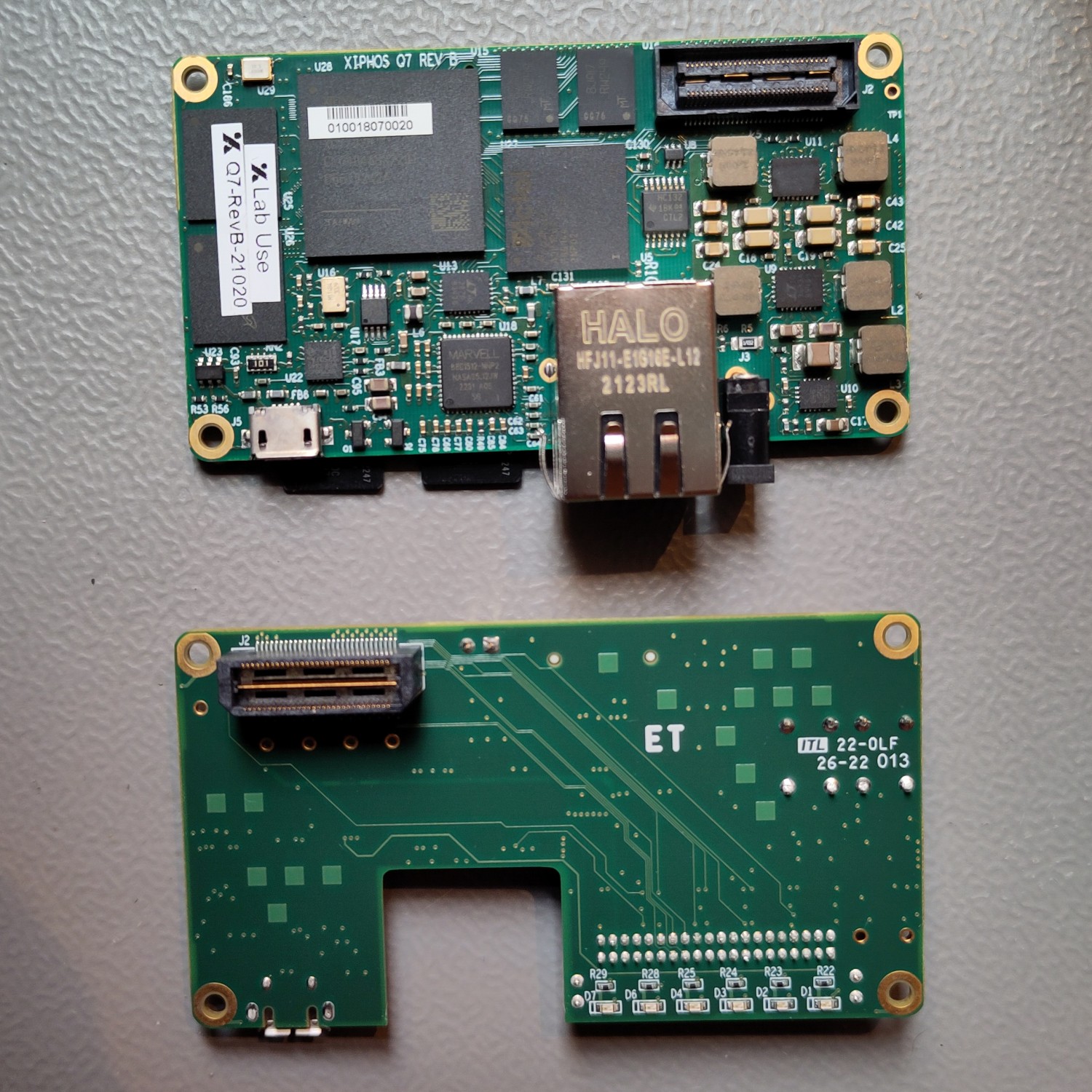
Today, fully integrated radar sensors are available from numerous sensor manufacturers, including those with integrated antennas on the chip. These very small chip-based radar sensors, typically smaller than a postage stamp, are ideal for integration into embedded systems for various applications, even with very limited installation space.
Comparison: Radar, Laser & Ultrasonic in Level Measurement
| Criteria | Radar | Laser | Ultrasonic |
|---|---|---|---|
| Transmission & Reception Method | Active | Active | Active |
| Frequency Range | Microwaves (30 MHz – 300 GHz) | Non-visible light range | Inaudible sound range |
| Detection Method | Analysis of received echoes | Analysis of received echoes | Analysis of received echoes |
| Measurement Parameters | Object detection by:
|
Object detection by:
|
Object detection by:
|
| Measurement Range Separation | Up to 1,000 meters (Distance, Speed, Angle) | Up to 3,000 meters (Distance, Angle). No separation for: Speed | Up to 8 meters (Distance). No separation for: Speed, Angle |
| Resistance to Atmospheric Influences | All-weather capable | Possibly reduced range in: Fog/Vapor, Smoke, Dust | Sensitive to changes in: Wind Speed, Temperature |
| Advantages |
|
|
|
| Disadvantages |
|
|
|
Level Measurement Methods: The Differences in Detail
Radar Level Measurement
Our Services in Radar Technology include:
We are glad to hear from you
Send us your non-binding inquiry. We will get back to you as soon as possible.
Our other services

Moderne und kompakte Technologie für die Umgebungserkennung in „smarten“ Embedded-Systemen.

Maßgeschneiderte und robuste Hard- und Software-Embedded-Systemlösungen basierend auf verschiedenen Technologien.

Flexible, kosteneffiziente EMS-Dienstleistungen mit hoher Präzision, Qualität und Durchsatz.