Turnkey Package Options
embedded brains offers turnkey packages for many popular space grade Systems On Chip and board level platforms.
These packages are available in three different types, depending on your requirements: SDK Basic, SDK Qualifiable and QDP.
Package Overview
SDK Basic
The fast-track solution for development and prototyping.
SDK Basic provides the full RTEMS feature set, including the RTEMS source code, development tools, a Board Support Package (BSP), drivers—pre-configured, tested, and ready for immediate use on your hardware. Ideal for non-critical applications, rapid prototyping, or development cycles where ECSS compliance is not required. Cost-effective, flexible, and designed for minimal setup effort.
SDK Qualifiable
The foundation for ECSS-compliant systems.
SDK Qualifiable reduces RTEMS and driver complexity to components suitable for qualification, for projects aiming for ECSS compliance. It is not yet prequalified but serves as the technical baseline for applications which may need a qualified RTOS in future. SDK Qualifiable can be upgraded to a full, prequalified QDP later.
Qualification Data Package (QDP)
Full prequalification for ECSS-compliant applications.
The QDP combines SDK Qualifiable with complete prequalification documentation, traceability matrices, and compliance evidence. It is the recommended package for projects requiring ECSS qualification, such as space missions or high-reliability systems. Includes all documentation and tools required for audits and formal approvals.
Features Common for all Packages
RTEMS Core:
Includes the RTEMS operating system (full or reduced feature set, depending on package).
Board-Specific Software:
Bootloader, initialization, and device drivers (standard or prequalification-ready).
Development Tools:
Binutils, GCC Compiler, GDB Debugger, QEMU Simulator, Trace Compass.
Basic Documentation:
Integration and maintenance documentation (scope varies by package).
Expert Support:
Technical support for setup, debugging, and customization (scope varies by package).
Key Differences between Packages
| SDK Basic | SDK Qualifiable | Qualification Data Package (QDP) | |
|---|---|---|---|
| Purpose | Rapid development, prototyping, and non-critical applications which will not need qualification | Functional Prototyping and Development for safety critical systems, which may need qualification in the future | Development for safety critical systems targeting formal ECSS qualification |
| RTEMS Core | Full feature set. | Reduced to qualifiable functions and components. | Reduced to qualifiable functions and components. |
| Device Drivers | Standard drivers. | Drivers with reduced complexity (some alternative codebases). | Same as SDK Qualifiable, plus prequalification reports. |
| Qualification Tools | Not included. | Not included. | Included (traceability matrices, compliance reports, qualification support tools). |
| Documentation | Standard integration / maintenance docs. | Basic docs (no qualification data). | Full pre-qualification documentation with approx. 50 documents |
Package Details
SDK Basic – Full Flexibility for Development and Prototyping
SDK Basic is the all-in-one solution for developers needing a quick and ECSS-compliance-free RTEMS deployment. It includes:
- Full RTEMS feature set with Board Support Package (BSP), bootloader, initialization, and standard device drivers.
- Development tools: GCC Compiler, GDB Debugger, QEMU Simulator, and Binutils for efficient software development.
- Standard documentation for integration, maintenance, and customization—ideal for teams without ECSS requirements.
- Fast delivery and low-cost implementation, as no pre-qualification steps are needed.
- Use Cases: Prototyping, research, non-safety-critical embedded systems, evaluation boards.
Advantage: Maximum flexibility with minimal effort—perfect for projects where speed and cost efficiency are priorities.
SDK Qualifiable – The Baseline for ECSS-Compliant Systems
SDK Qualifiable is designed for projects that will require ECSS pre-qualification later but do not yet need full tests and documentation. It includes:
- Reduced feature set: RTEMS core and drivers limited to components suitable for pre-qualification to lower complexity for future pre-qualification.
- Adapted drivers: Some drivers use alternative codebases optimized for validation processes.
- Basic documentation (without pre-qualification evidence)—serves as the technical foundation for later pre-qualification steps.
- No pre-qualification tools included (these are part of the QDP).
- Use Cases: Preparation for ECSS compliance, systems with moderate reliability requirements, pre-stages for prequalified products.
Advantage: Saves time and costs during the preparation phase for ECSS prequalification without requiring full documentation upfront. Can be upgraded to full QDP when required.
Qualification Data Package (QDP) – Complete Pre-qualification for ECSS-Compliant Applications
The QDP is the complete solution for projects requiring ECSS pre-qualification. It includes:
- SDK Qualifiable as the technical baseline plus full prequalification documentation:
- Traceability matrices
- compliance reports
- Pre-qualification reports for audits, such as traceability verification and requirements validation reports.
- Comprehensive time budget to support for the pre-qualification process, including ECSS compliance consulting.
- Use Cases: Space missions, high-reliability systems, and applications requiring formal ECSS compliance.
Advantage: “Out-of-the-box” pre-qualification package – saves months of preparation and significantly reduces risks during formal approvals.
FAQ
Table of supported SoCs and Boards
| Board (Chip) Manufacturer | Board (SoC) | SDK Basic | SDK Qualifiable | QDP |
|---|---|---|---|---|
| fentISS | XtratuM / XNG Hypervisor23 | on demand | (YES +) | on demand |
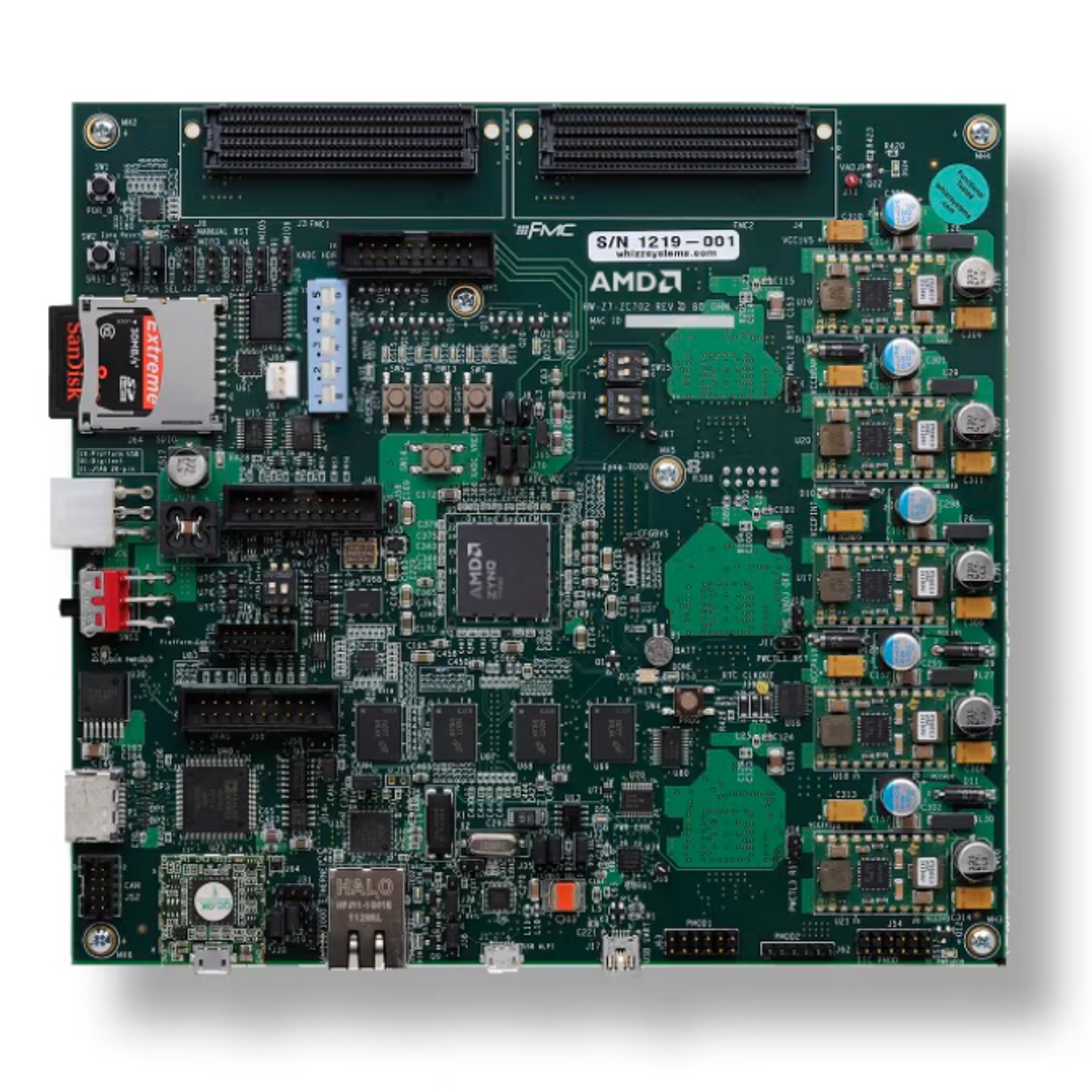
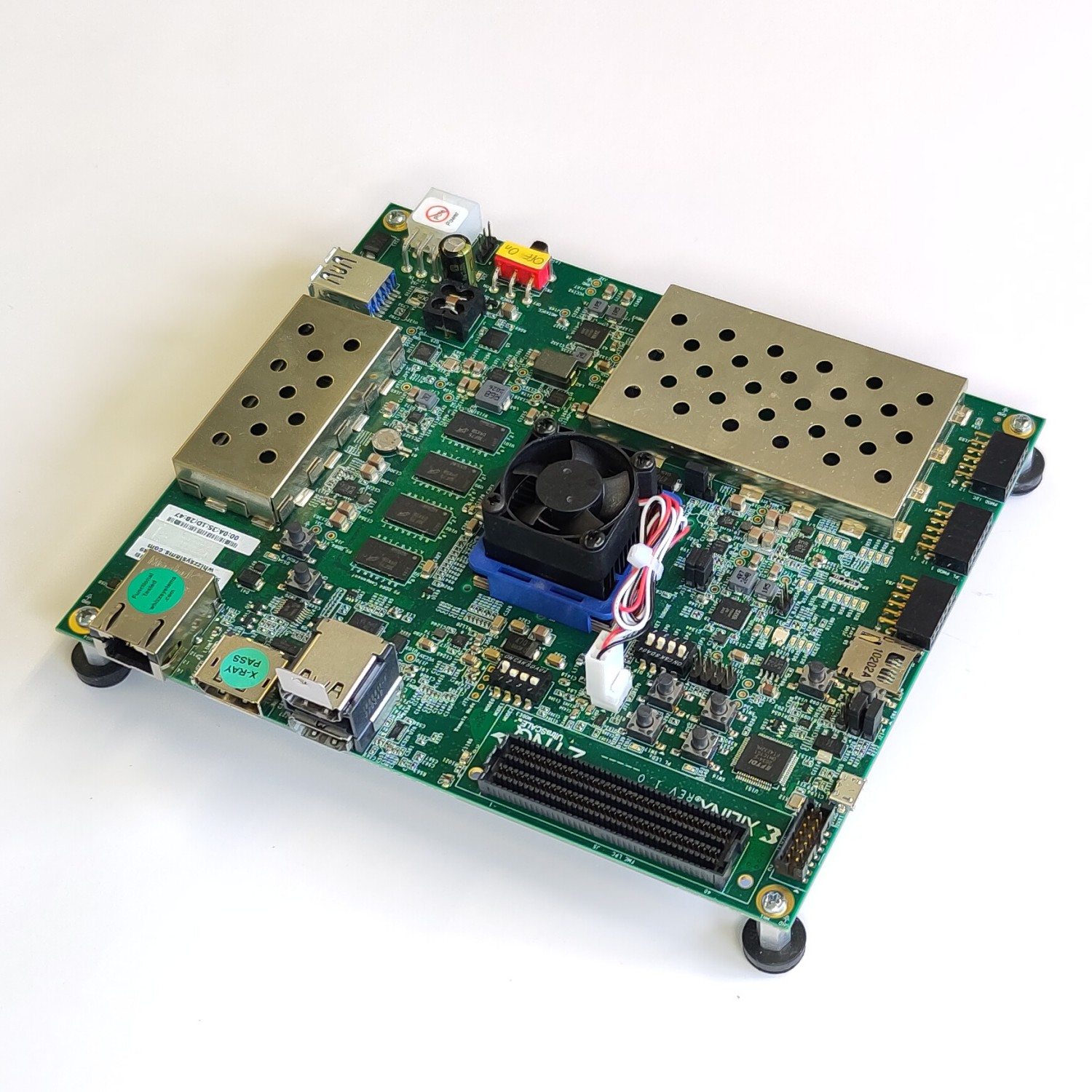
| AMD Xilinx | ZC702 (Zynq XC7Z020) | YES | YES | YES |
| AMD Xilinx | ZCU104 (UltraScale+ ZU7EV) | YES | YES | YES |
| AMD Xilinx | Versal Adaptive SoC | YES | YES | YES |
| Gaisler | GR712RC | YES | NO | YES(public) |
| Gaisler | GR716A and GR716B | on demand | on demand | on demand |
| Gaisler | GR740 | YES | NO | YES(public) |
| Gaisler | GR765 | YES | on demand | on demand |
| Gaisler | Noel-V | YES | on demand | on demand |
| Gaisler | UT699/UT699E/UT700 | YES | on demand | on demand |
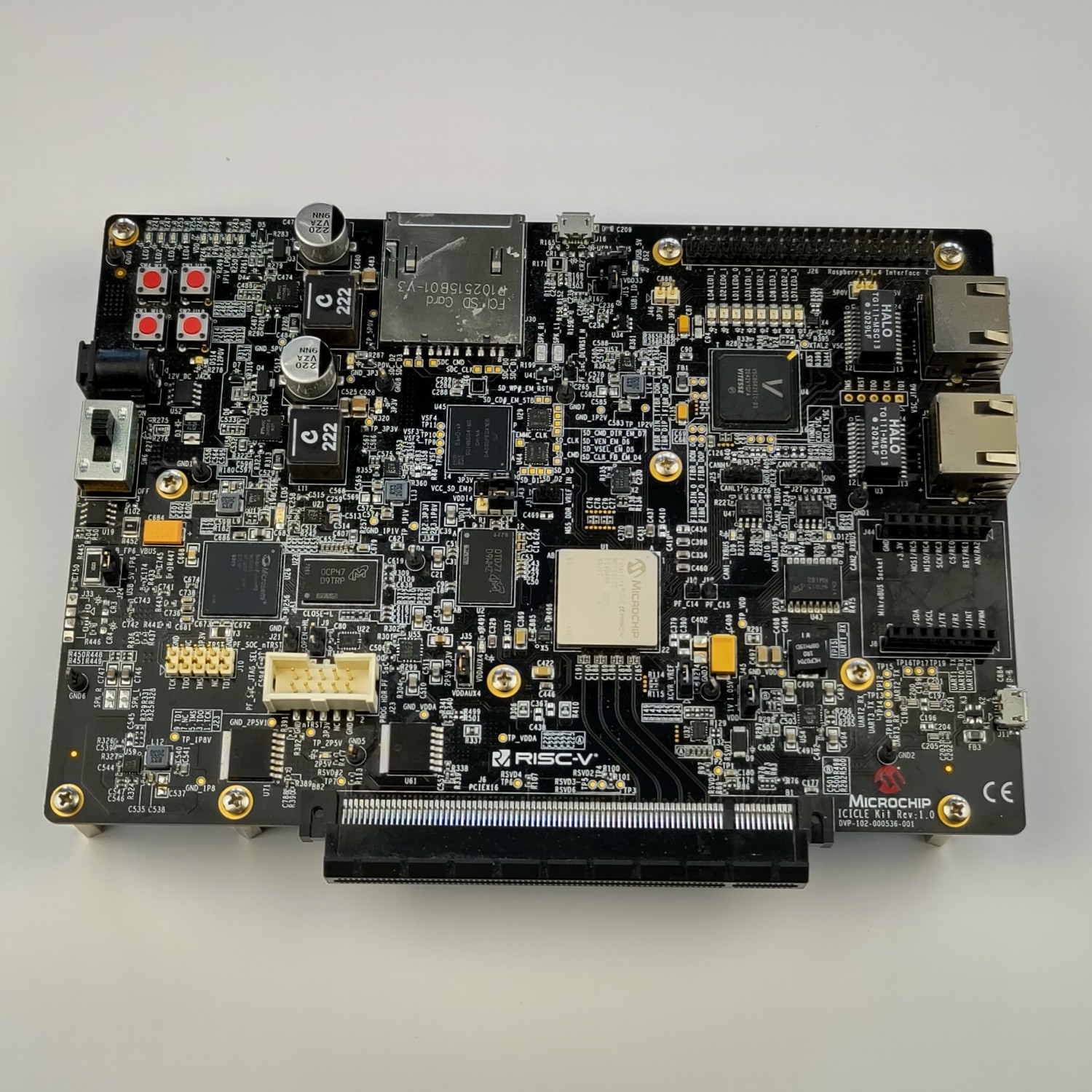
| Microchip | Icicle (PolarFire MPFS250T-FCVG484E) | YES | on demand | on demand |
| Microchip | SAMRH707 – Radiation Hardness | YES | on demand | on demand |
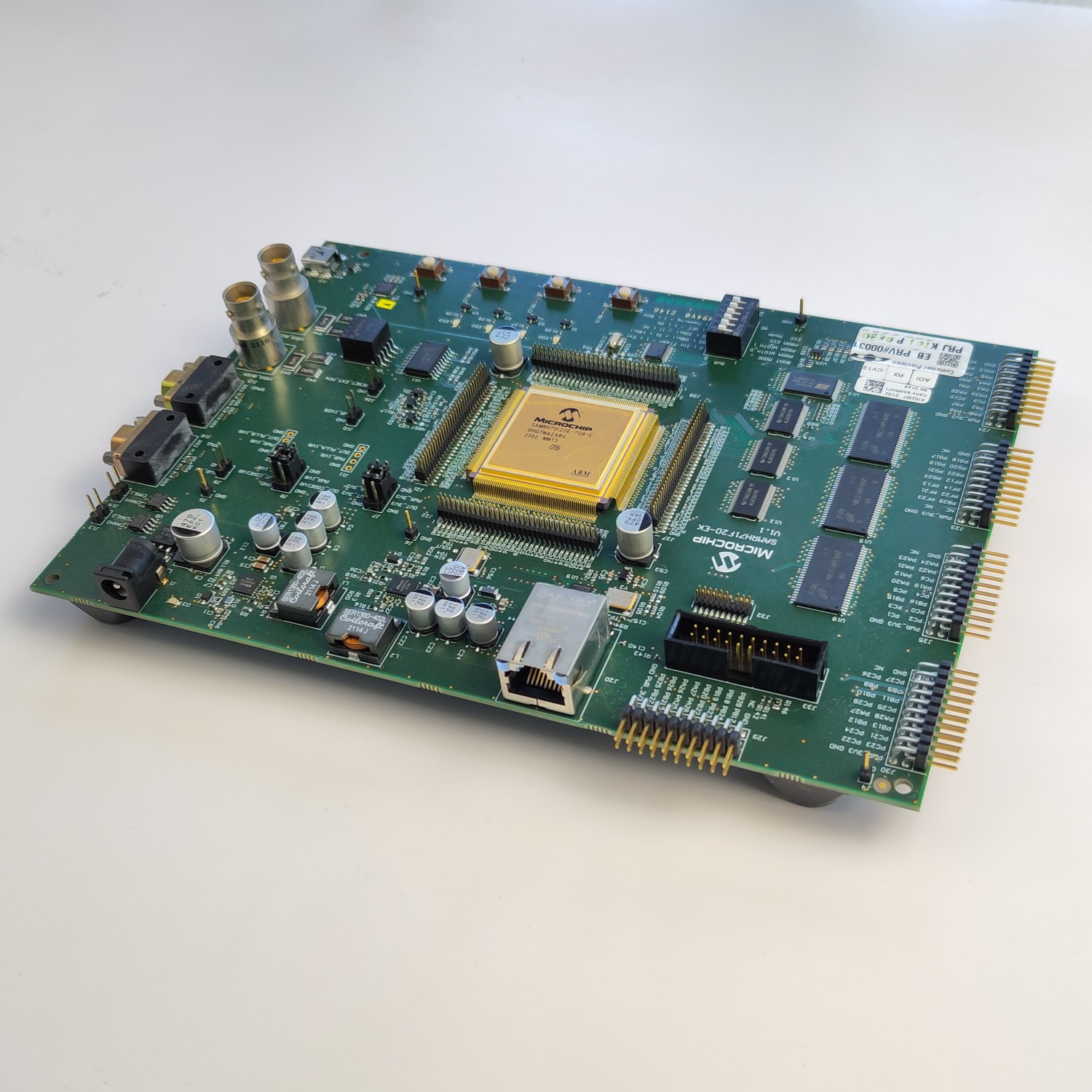
| Microchip | SAMRH71F20-EK (SAMRH71F20) | YES | on demand | on demand |
| Microchip | SAMV71Q21RT – Radiation Tolerance | YES | on demand | on demand |
| Microchip | SAM V, SAM E & SAM S MCUs | YES | on demand | on demand |
| NanoXplore | NG-ULTRA | YES | on demand | on demand |
| Teledyne | LS1046-Space | YES | YES | on demand |
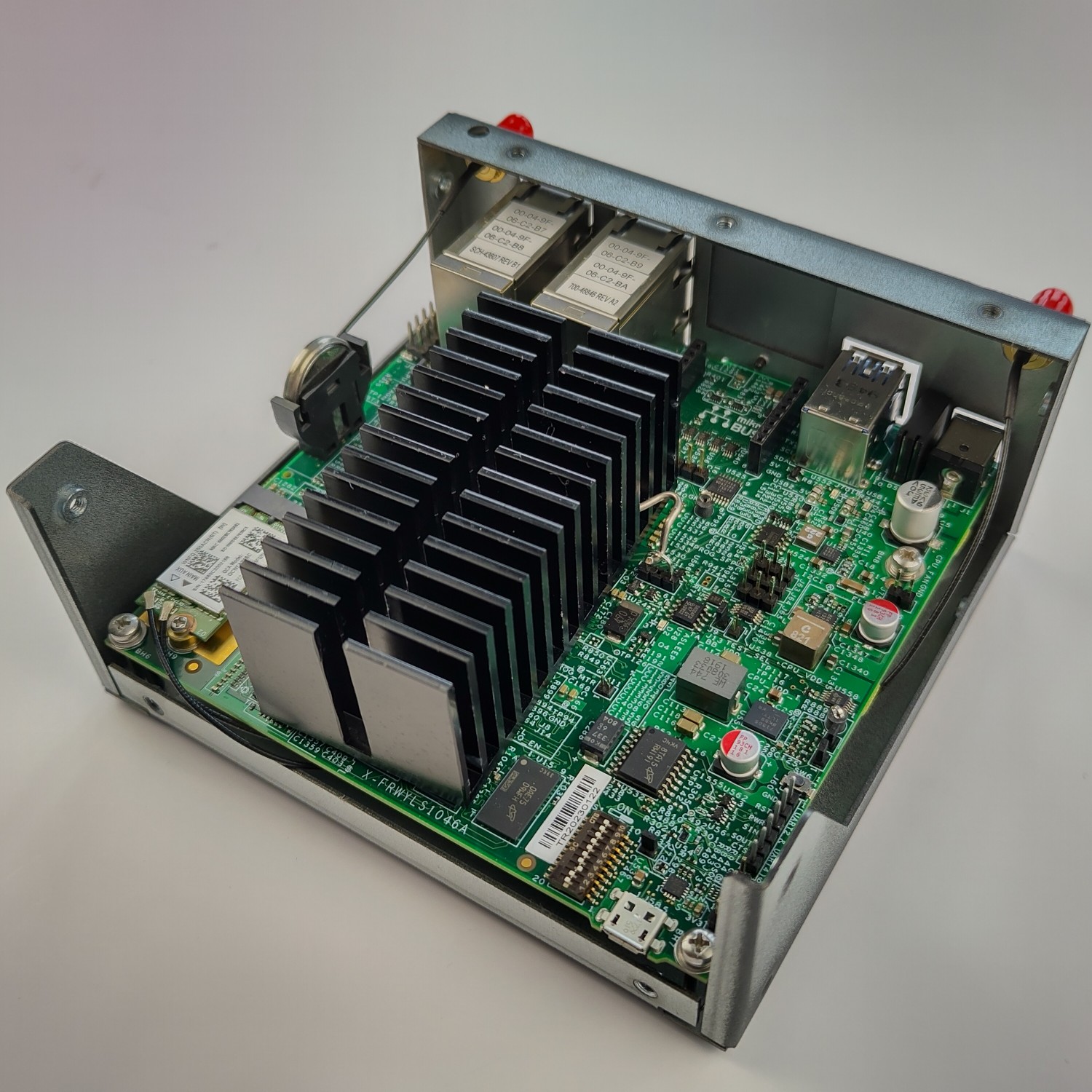
| NXP | Freeway-LS1046A (LS1046A) | YES | YES | on demand |
| Teledyne | QorIQ P-Series and QorIQ T-Series | YES | YES | on demand |
| Texas Instruments | TMS570LC4357, TMS570LS3137 | YES | on demand | on demand |
| Vorago | VA 41600 | on demand | on demand | on demand |
| Vorago | VA 41620 | on demand | on demand | on demand |
| Vorago | VA 41628 | on demand | on demand | on demand |
| Vorago | VA 41629 | on demand | on demand | on demand |
| Vorago | VA 41630 | on demand | on demand | on demand |
| DSI | OBC (LEON-3FT dual core) | on demand | on demand | on demand |
| ZIN | SBCFA1000 (SAMRH71) | on demand | on demand | on demand |
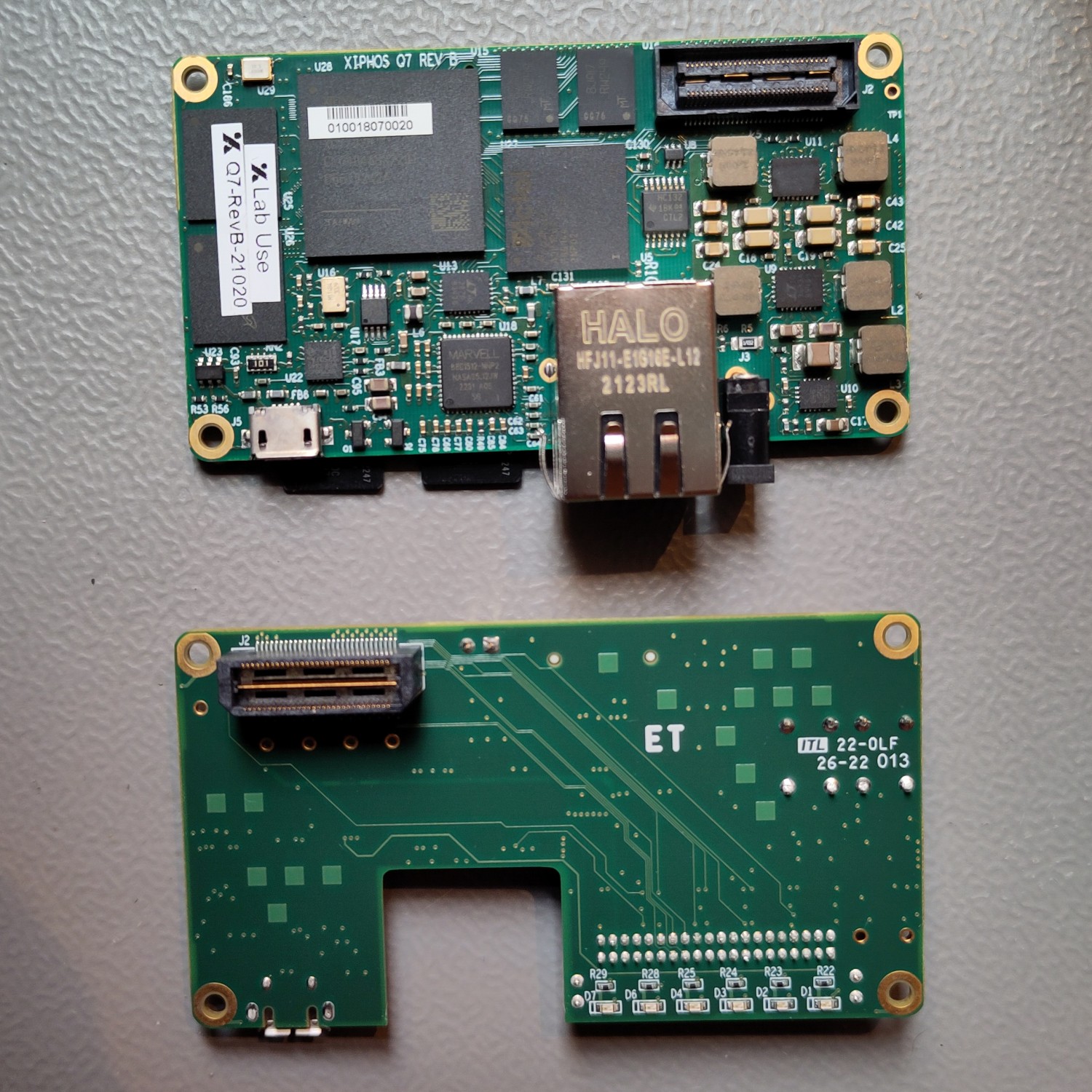
| Xiphos (AMD Xilinx) | Xiphos Q7 (Zynq-7000) | YES | YES | on demand |
| Xiphos (AMD Xilinx) | Q8 (Zynq-Ultrascale+) | on demand | on demand | on demand |